 All The Babes
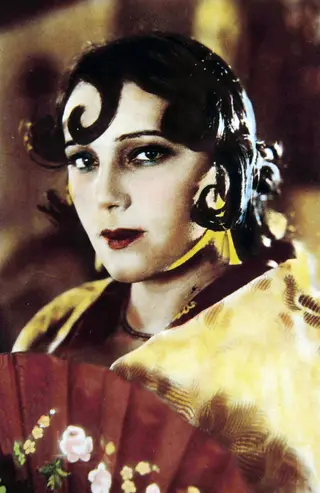
Raquel Meller
Also known as Francisca Romana Marqués López
Career
Active 1907 – 1940
Biography
About Raquel Meller
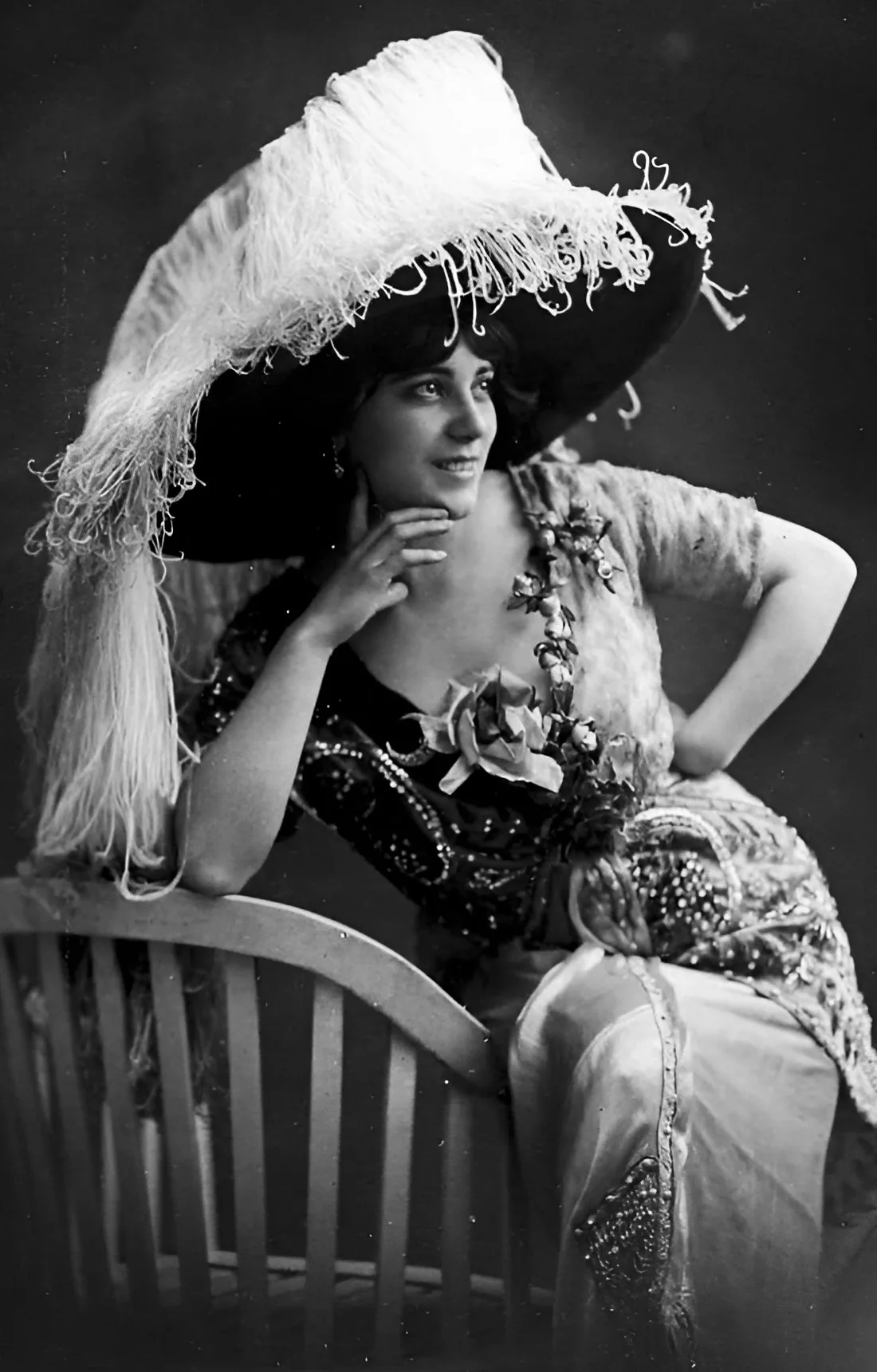
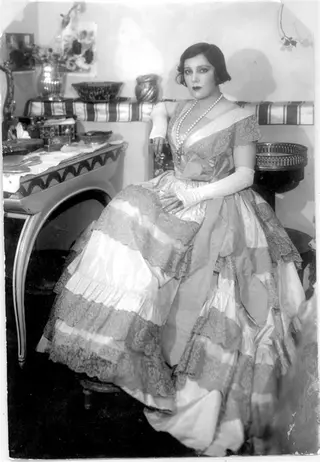
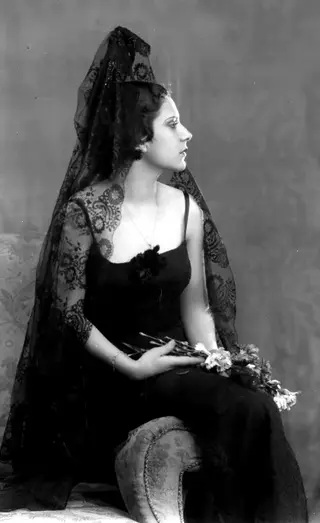
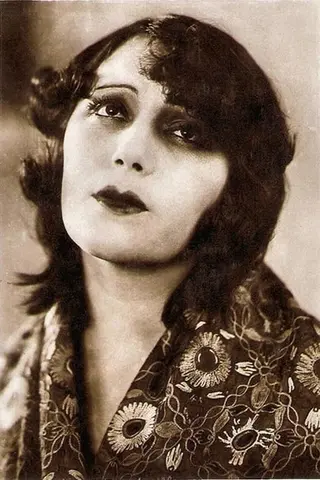
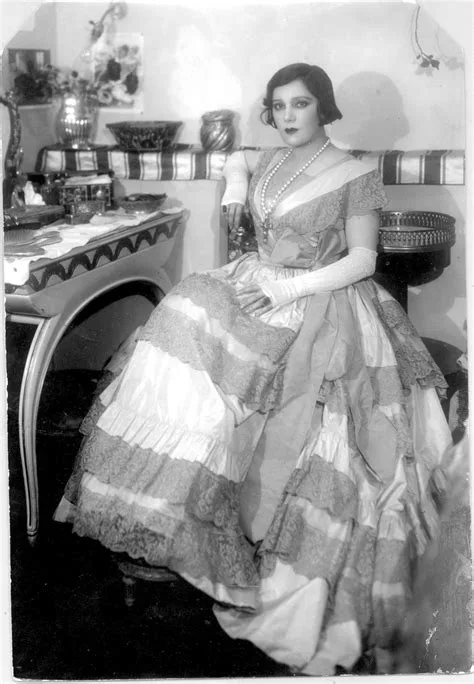
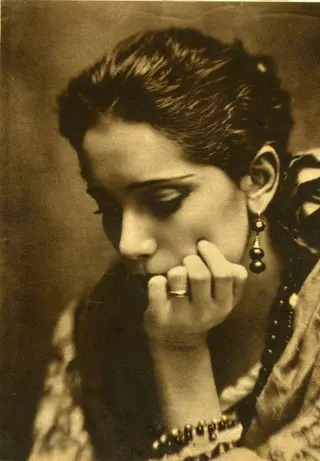
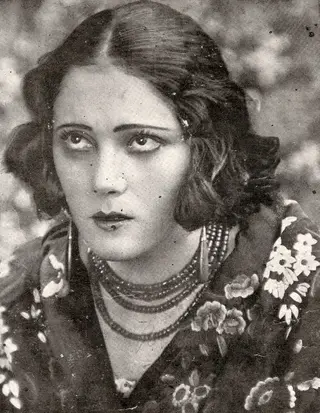
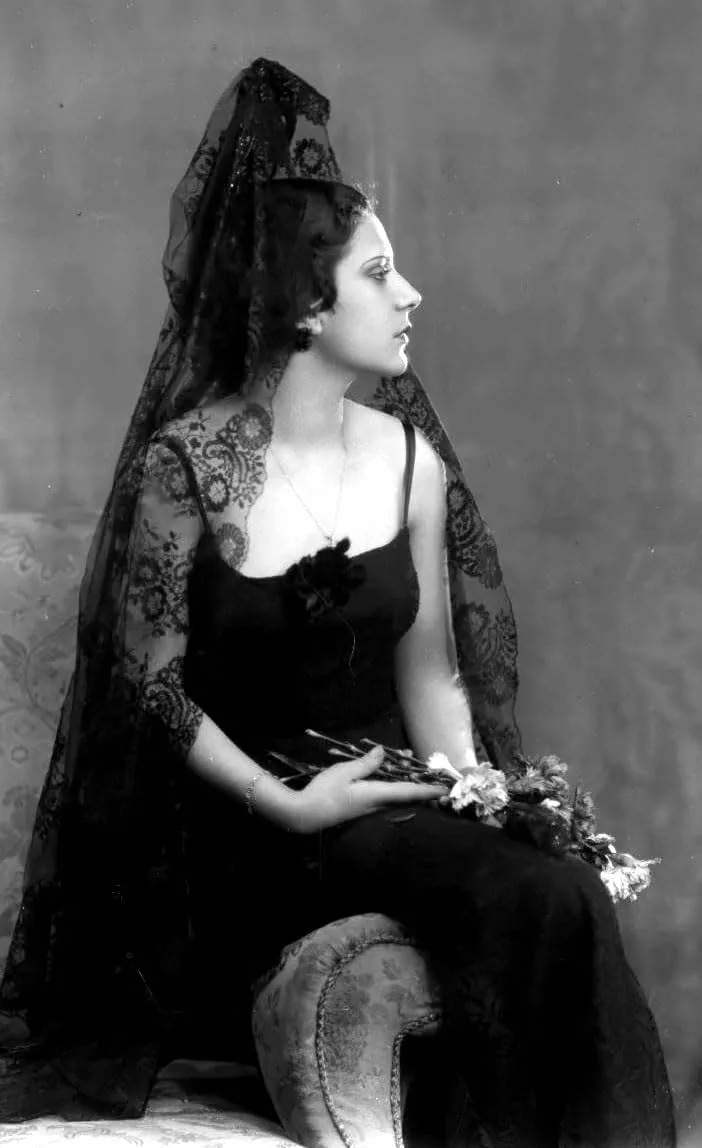
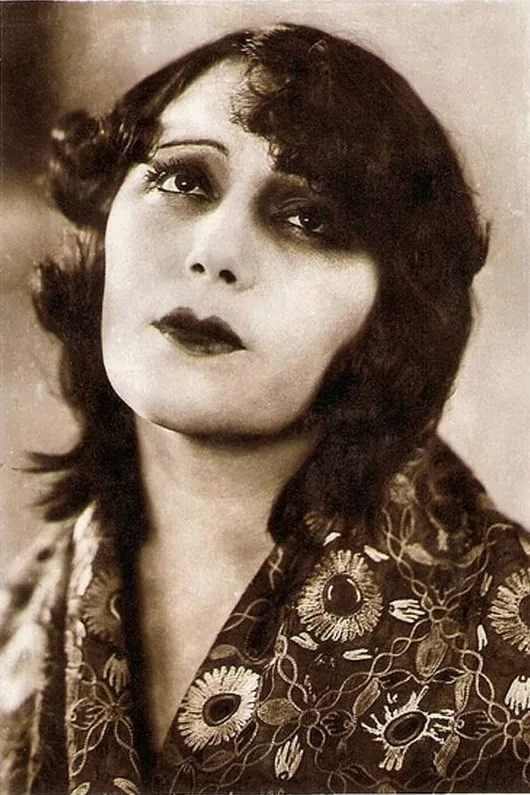
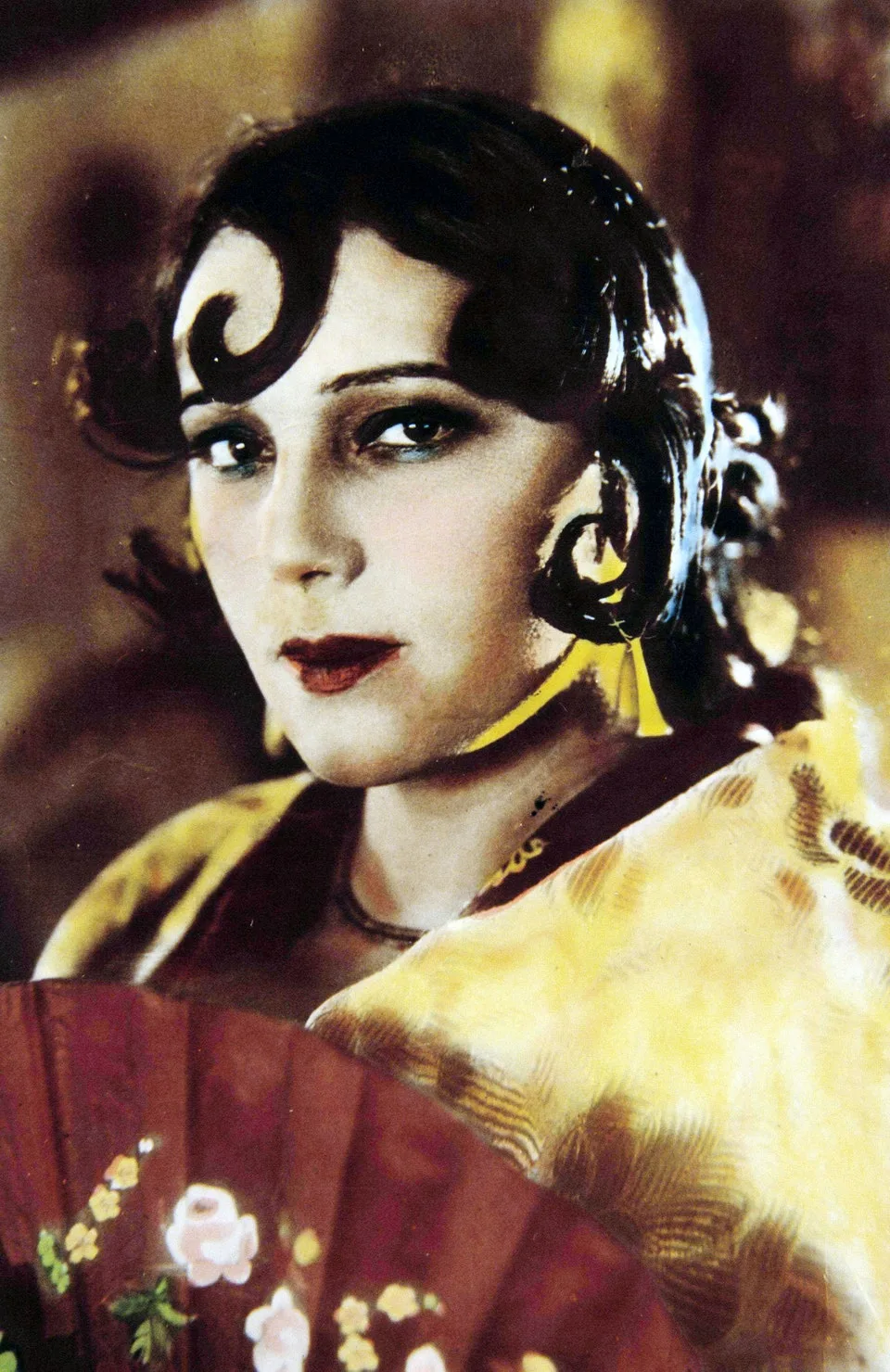
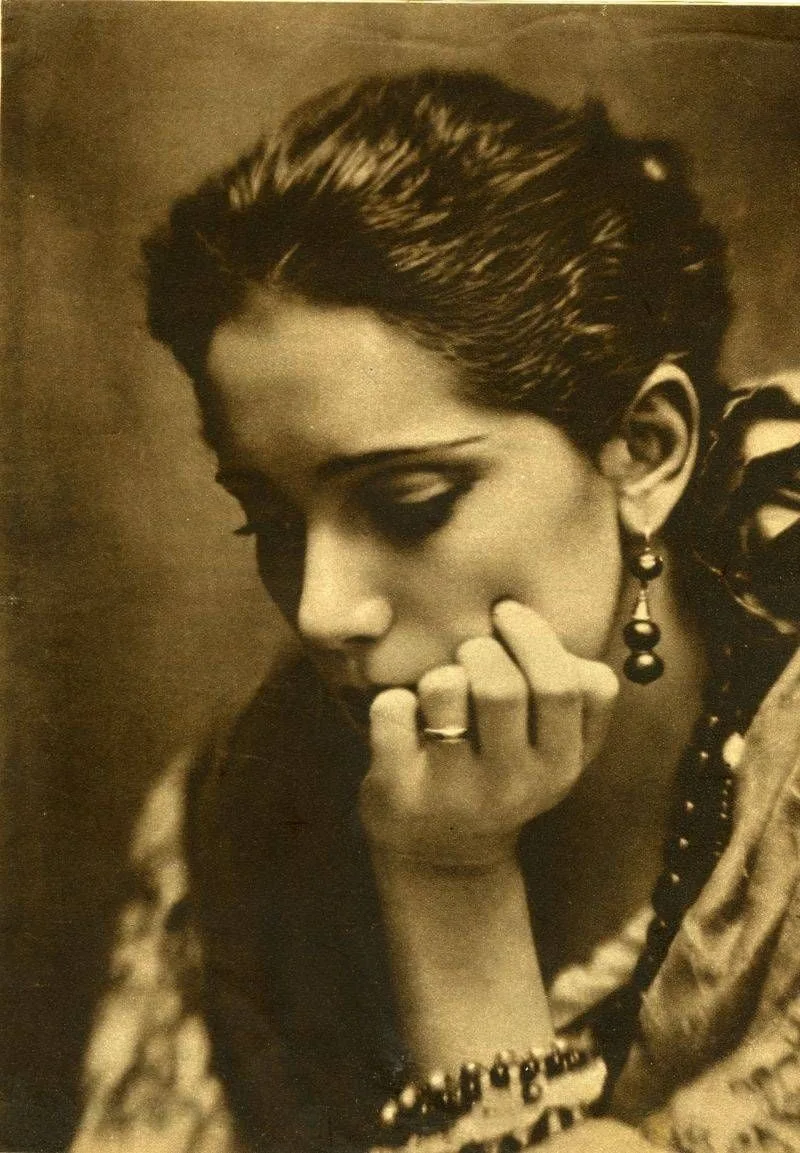
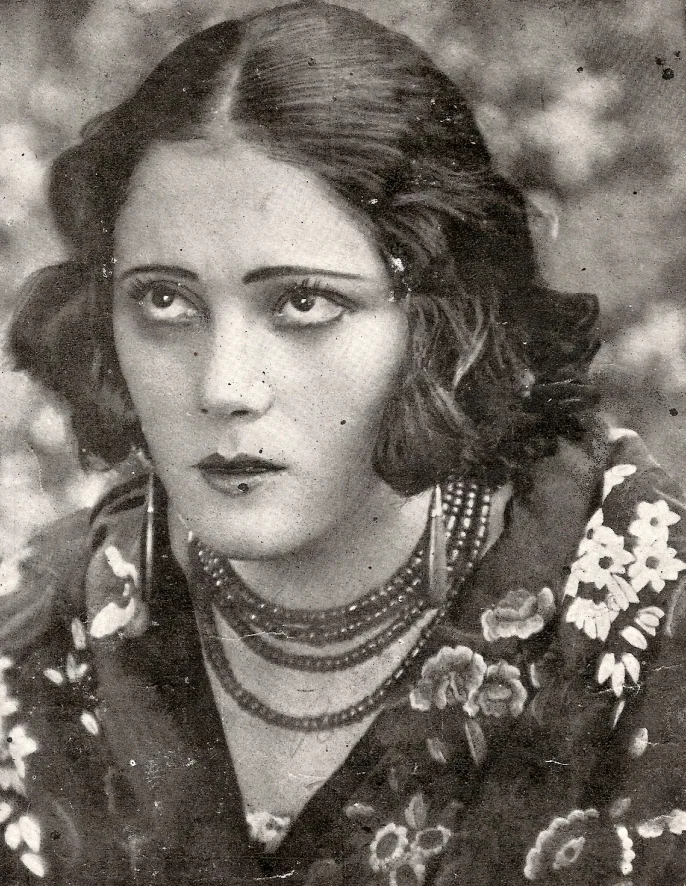
Raquel Meller, born Francisca Romana Marqués López on 9 March 1888, was a Spanish actress and musician whose career spanned from 1907 to 1940. She rose to fame in the 1920s and 1930s as an international star, appearing in films and touring Europe and the Americas. Meller performed as a vaudeville artist, and she sang the original versions of songs like "La Violetera" and "El relicario," both written by José Padilla Sánchez.
Meller was born in Tarazona, Zaragoza province, Aragón, in the neighborhood of Cinto. Her father, Telésforo Marqués Ibañez, worked as a blacksmith, and her mother, Isabel López Sainz, ran a grocery store. Her family was one of the oldest in Aragón, but they became impoverished during the Carlist Wars. When Meller was four, the family moved to Barcelona. Her father died before she was ten, and she was placed under the care of her aunt, Sister María del Carmen, an abbess in the convent at Figueras. When her aunt asked her to become a nun, Meller escaped the convent with the help of a gardener's ladder.
Back in Barcelona, Meller worked as a seamstress, embroidering robes for priests and bishops. She sang while she worked, and crowds would gather on the street outside the dressmaker's shop. At thirteen, she sang at a small cabaret in Valencia. Later, in Madrid, she caught the attention of the King and Queen of Spain. Around that time, she met the singer Marta Oliver, a regular at the clothes shop, and under Oliver's tutelage made her debut in February 1908 at the lounge La Gran Peña, using the name La Bella Rachel. She soon changed her name to Raquel Meller. On 16 September 1911, she made her grand debut at the Teatro Arnau in Barcelona.
In 1917, Meller met Enrique Gómez Carrillo, a Guatemalan journalist and diplomat, and they married in 1919. Since she could not bear children, the couple adopted. That same year, she gave her first concerts in Paris at the Olympia, as well as in Argentina, Uruguay, and Chile. She divorced Carrillo in 1922.
Meller's film career began in 1919 with Los arlequines de seda y oro. She then starred in her most successful silent films, Violettes impériales (1924) and Carmen (1926). She became popular throughout the Western world and was a media darling. She was known to wear slender gold bracelets on her right wrist, each representing a significant step in her career.
Spanish senator Emilio Junoy alleged that Meller betrayed the spy Mata Hari to the French police out of jealousy over her husband, who had written a biography of Mata Hari. Carrillo denied the rumor, pointing out that Mata Hari was executed in 1917, two years before he married Meller.
The 1926 film Carmen was conceived by the Russian firm Films Albatros as a star vehicle for Meller. Her portrayal of the title character was a great success, despite clashing with director Jacques Feyder's vision.
Meller was twice booked to perform in the United States but canceled both times. In 1926, she finally arrived under contract to producer E. Ray Goetz, who required a $100,000 bond to secure her appearance. She traveled on the SS Leviathan, where she tried to book a deluxe suite for her five Pekingese. She visited New York, Philadelphia, Chicago, Boston, Baltimore, and Los Angeles.
During her 1926 Los Angeles visit, Charlie Chaplin tried to secure her as a costar, but was unsuccessful. However, he later incorporated the melody of "La Violetera" into his 1931 film City Lights. The sight and sound of Meller were captured for the Fox Movietone sound system, first demonstrated in New York City on 21 January 1927.
In 1932, Meller shot a second version of Violettes impériales for the talkies, and in 1936 began Lola Triana, but production was interrupted by the Spanish Civil War. In the 1930s, she lived in France and was friends with Maurice Chevalier and Sarah Bernhardt, who called Meller the "greatest actress in Europe—after myself." In 1937, Meller traveled to Argentina, staying until 1939. After the Civil War, she returned to Barcelona, where she again enjoyed popularity with the play Violetera, and remarried to French businessman Edmond Saiac.
Meller faded from public view after the late 1930s. Her legend was revived with the films The Last Torch Song (1957) and The Violet Seller (1958), which starred Sara Montiel singing songs popularized by Meller. In 1962, Meller suffered a heart attack and died a month later on 26 July, aged 74, after falling into a coma. Her funeral procession in Barcelona numbered 100,000 people, and she is interred in the Montjuïc Cemetery. Her hometown of Tarazona houses a permanent museum exhibition in her honor in the Fine Arts Theater.
Record
Profile details
Personal
- Died
- Thursday 26th of July 1962 (age 74)
- Years Active
- 1907-1940 (started around 19 years old; 33 years active)
- Birthplace
- Tarazona, Zaragoza, Spain
- Ethnicity
- Latin
- Sexuality
- Straight
Body
- Hair Color
- Black
- Eye Color
- Brown
- Boobs
- Real/Natural
Frequently asked
Why did Raquel Meller change her name?
She performed under the name La Bella Rachel early in her career, then adopted the stage name Raquel Meller for her professional identity.
How did Meller escape the convent?
When her aunt, an abbess, asked her to become a nun, Meller escaped with the help of a gardener's ladder.
What happened to Meller's films during the Spanish Civil War?
The 1936 production of Lola Triana was interrupted by the war, and she later left Spain for Argentina until 1939.
How did Chaplin's use of 'La Violetera' connect to Meller?
After failing to secure Meller as a costar, Chaplin used the melody of that song she popularized as a major theme in City Lights (1931).
Did you know
- Meller escaped a convent using a gardener's ladder after being asked to become a nun.
- She wore slender gold bracelets on her right wrist, each representing a milestone in her career.
- Her 1926 US tour was guaranteed by a $100,000 bond, and she traveled with five Pekingese dogs.
- Sarah Bernhardt dubbed Meller the 'greatest actress in Europe—after myself.'
- Meller's hometown of Tarazona has a permanent museum exhibition dedicated to her.
More Spanish Actress profiles






Help improve this profile
Spot something wrong or missing? Fix a detail, add a link, or share a fact. Every submission is reviewed before it goes live.
Are you Raquel Meller?