 All The Babes
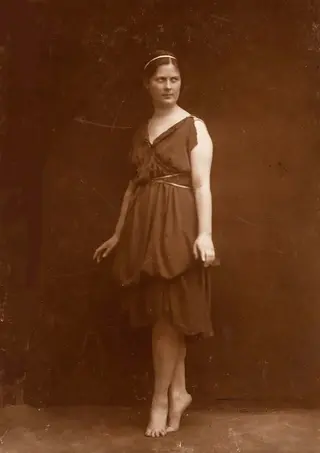
Isadora Duncan (dancer)
Also known as Angela Isadora Duncan
- Born
- May 27, 1877
- height
- 5'3" (or 160 cm) (Petite)
- body type
- Slim
- nationality
- American), (Russian
Biography
About Isadora Duncan (dancer)
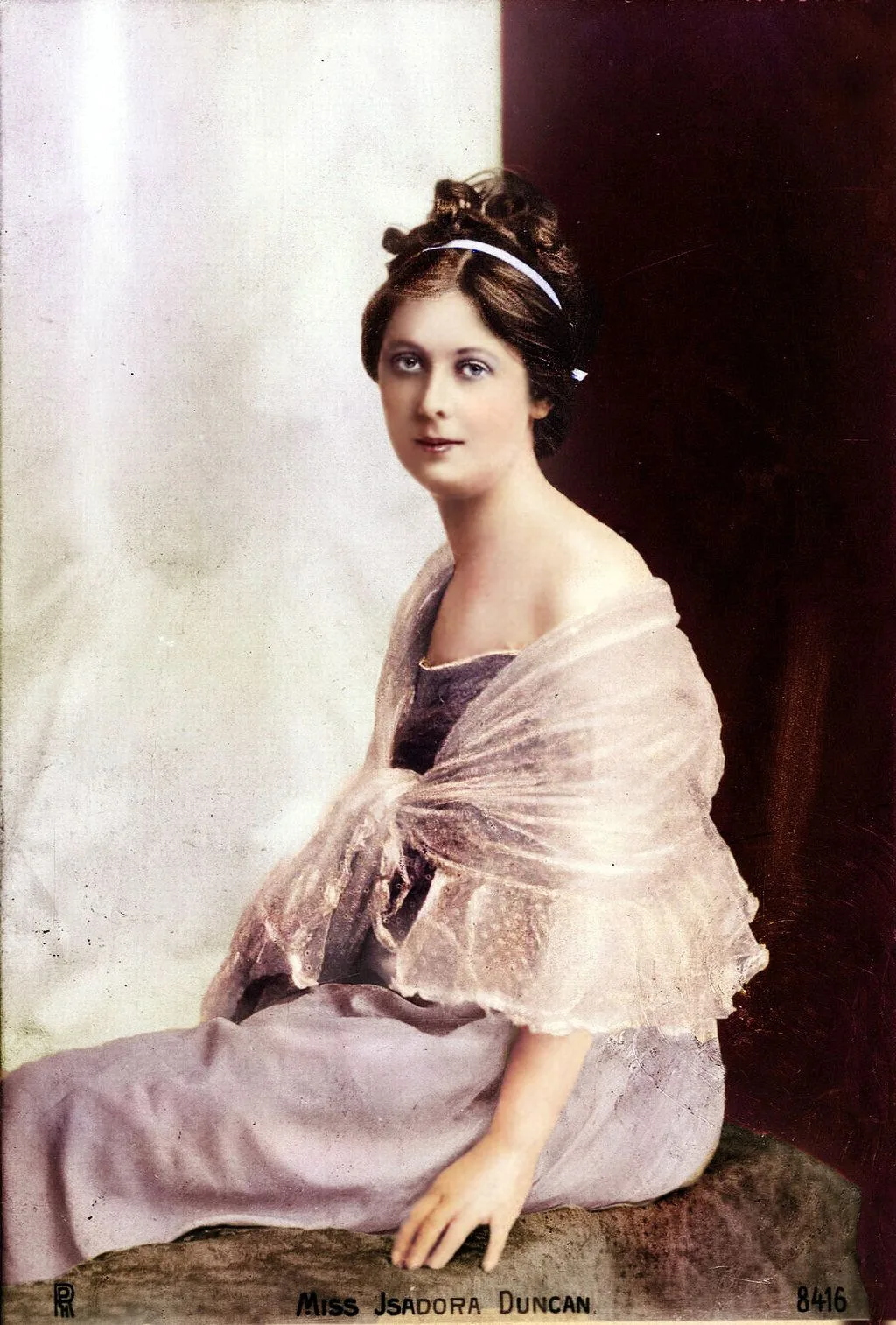
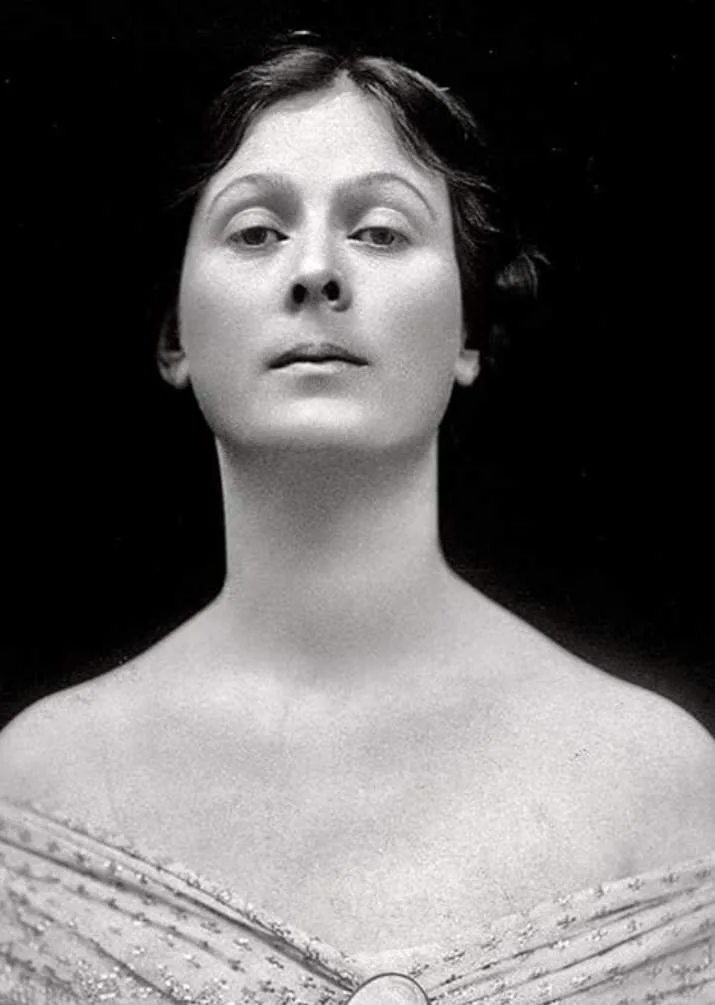
Isadora Duncan reinvented dance at the turn of the 20th century, trading rigid ballet technique for free, natural movement inspired by ancient Greece. Born Angela Isadora Duncan in San Francisco, California, she was the youngest of four children. Her father, a banker and mining engineer, was involved in a financial scandal and left the family when she was young. Her mother moved them to Oakland, where Isadora dropped out of school at age ten and began teaching dance to local children with her siblings.
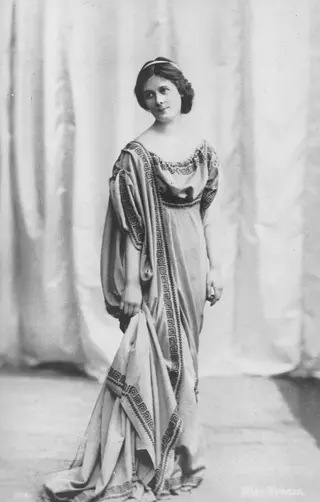
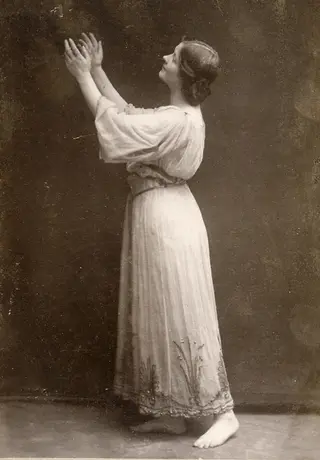
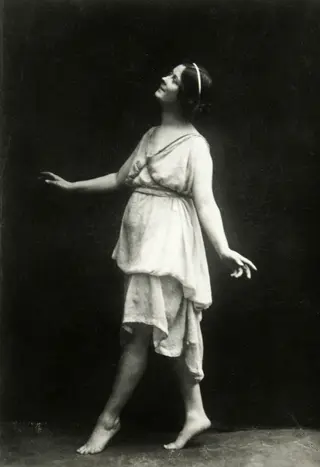
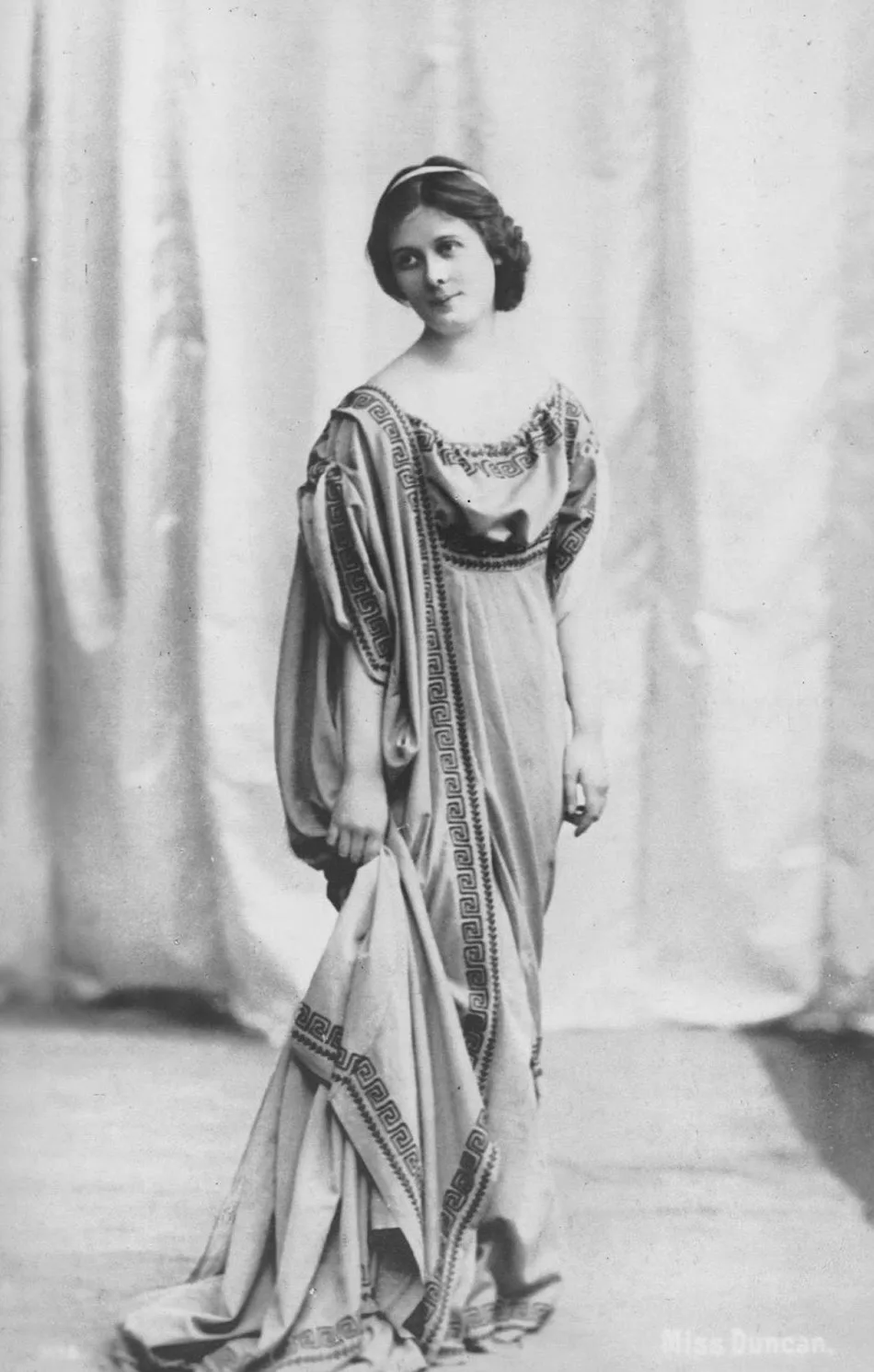
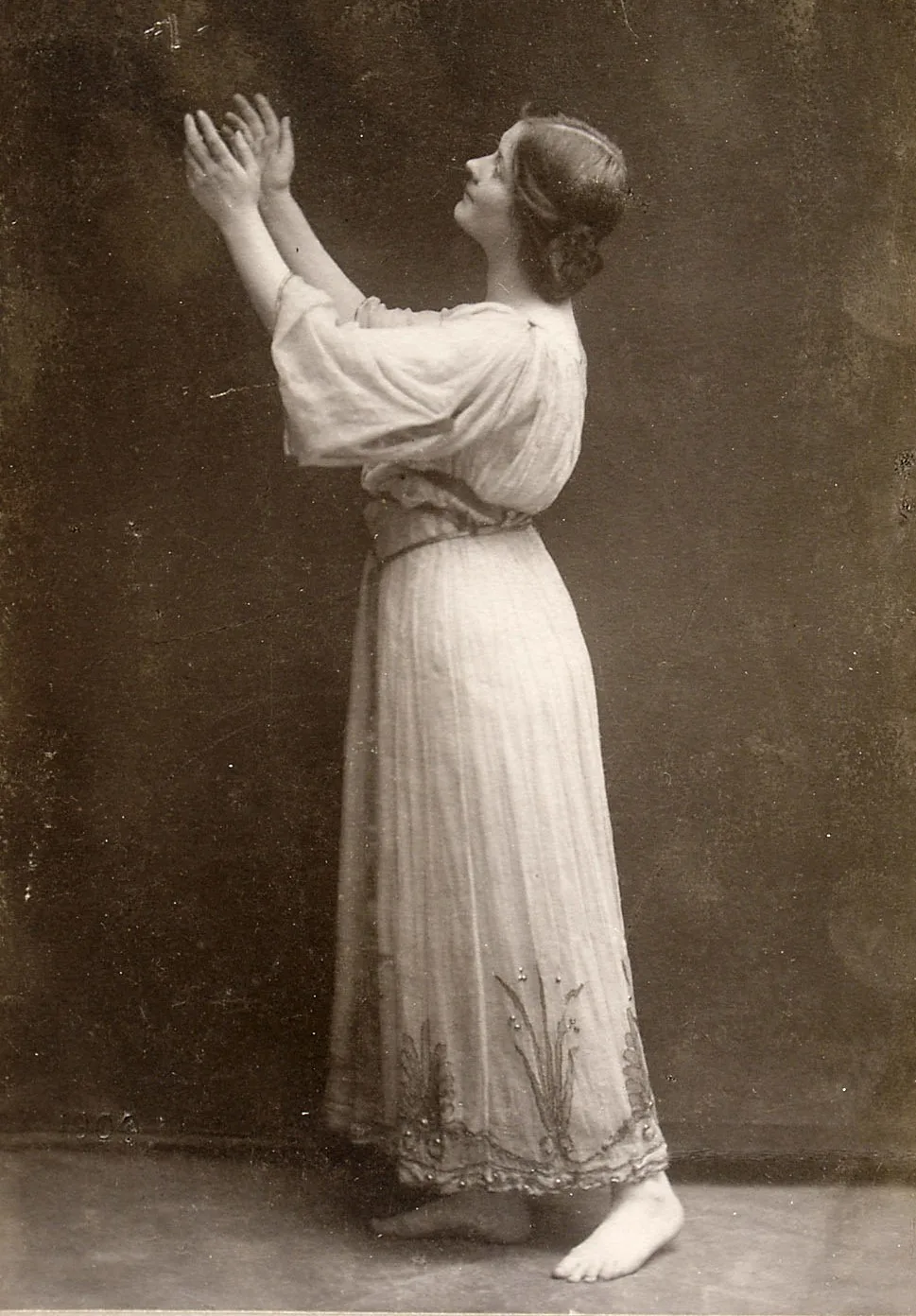
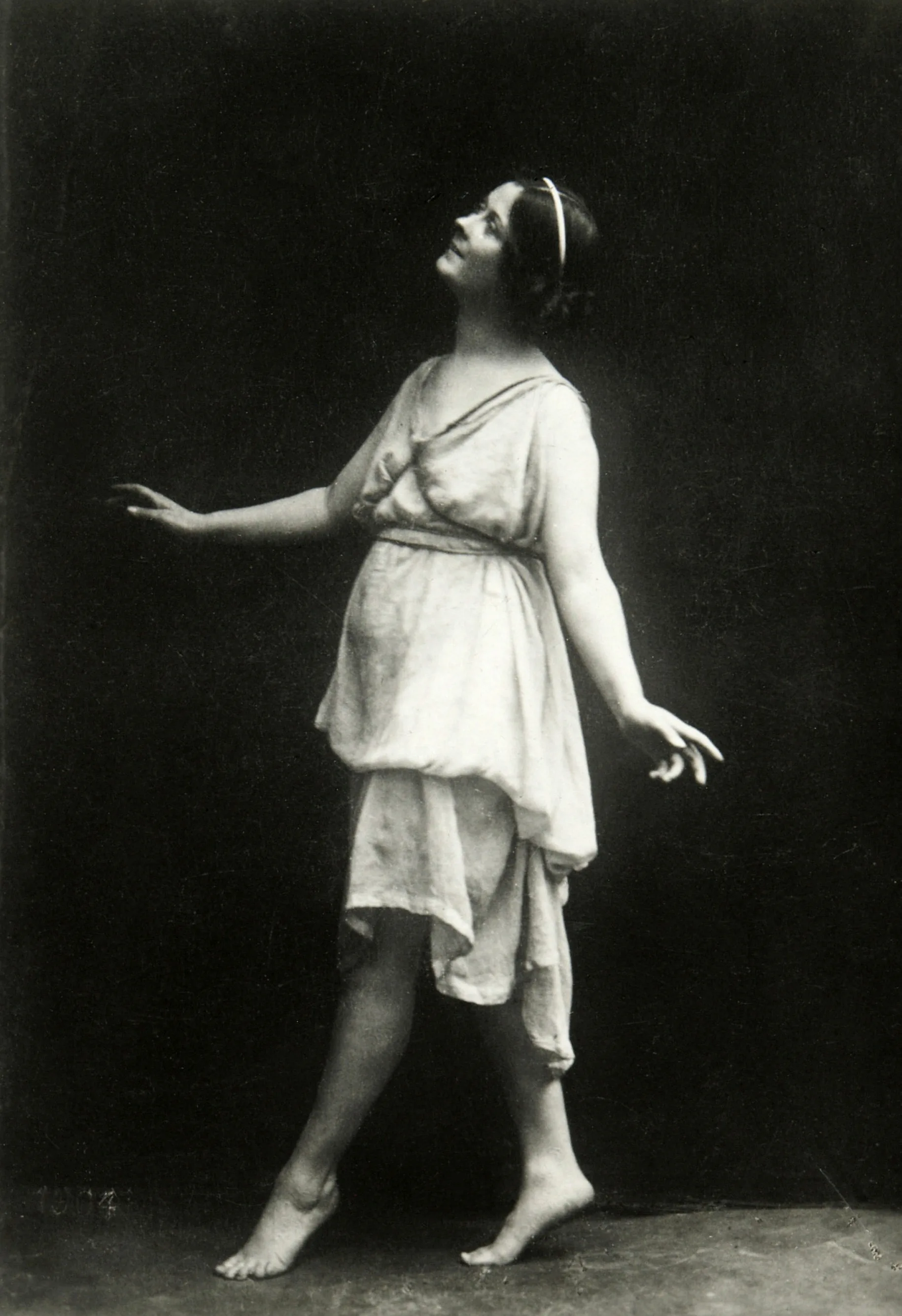
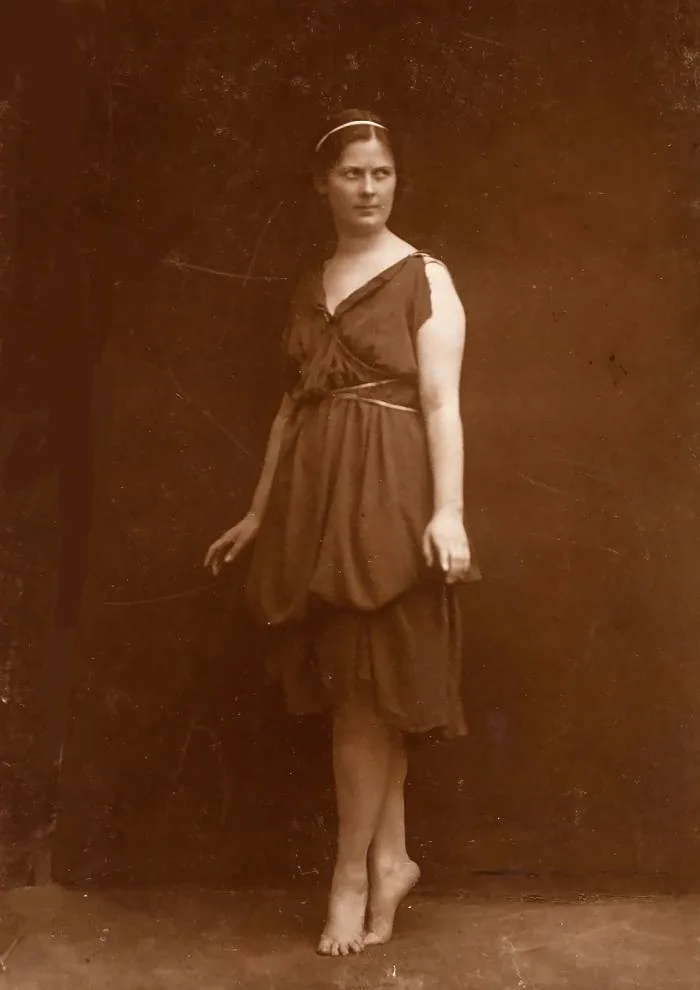
Duncan's approach to dance was unconventional from the start. She improvised rather than followed codified steps, and she performed barefoot in a flowing white Greek tunic, a stark contrast to corseted ballet costumes and pointe shoes. Her career took her from New York to London, Paris, and throughout Europe, where she performed in the drawing rooms of the wealthy and on grand stages. She founded schools in Berlin, Paris, and Moscow to teach her philosophy of dance to young women. In Berlin, she adopted six of her students, known as the Isadorables, who carried on her technique after her death.
Duncan's personal life was as dramatic as her performances. She bore three children out of wedlock: Deirdre, fathered by theatre designer Gordon Craig, and Patrick, fathered by Paris Singer, one of the sewing machine magnate's sons. Both children drowned in 1913 when their car accidentally went into the River Seine. A third child, a son, died shortly after birth in 1914. In 1922, she married the Russian poet Sergei Yesenin, who was eighteen years her junior; the marriage was brief and ended in divorce. She also had a documented relationship with poet and playwright Mercedes de Acosta, as revealed in their letters.
In 1921, Duncan moved to Soviet Russia, where she founded another school in Moscow. She became a Soviet citizen, and her will was the first of a Soviet citizen to undergo probate in the U.S. She died on September 14, 1927, in Nice, France, when her long silk scarf became entangled in the wheel of a car, pulling her from the vehicle and breaking her neck. She was 50 years old. Her autobiography, My Life, was published shortly after her death. Duncan is remembered as a pioneer of modern contemporary dance, and her likeness was carved in bas-relief over the entrance of the Théâtre des Champs-Élysées in Paris. Her legacy persists through her adopted daughters and the Duncan Dance Guild, which continues to teach her technique.
Record
Profile details
Personal
- Died
- Wednesday 14th of September 1927 (age 50)
- Years Active
- unknown-1927
- Birthplace
- San Francisco, California, United States
- Ethnicity
- Caucasian
- Sexuality
- Bisexual
Body
- Hair Color
- Auburn
- Eye Color
- Grey
- Boobs
- Real/Natural
Frequently asked
What inspired Duncan's distinctive dance style?
Duncan drew inspiration from ancient Greek art, particularly the vases and bas-reliefs in the British Museum, as well as from nature and the sea. She believed movement originated from the solar plexus and focused on natural steps like skipping and running, which were outside codified ballet technique.
How many children did Duncan have and what happened to them?
Duncan had three children, all born out of wedlock. Her daughter Deirdre and son Patrick both drowned in 1913 when their car went into the River Seine. A third child, a son, died shortly after birth in 1914.
What was the Isadora Duncan Syndrome?
In medicine, the Isadora Duncan Syndrome refers to injury or death caused by a scarf or neckwear becoming entangled in a wheel or other machinery, named after the way Duncan died.
How did Duncan's schools influence modern dance?
Duncan opened schools in Berlin, Paris, and Moscow to teach young women her philosophy of dance. Her protégées, including six adopted daughters known as the Isadorables, carried on her technique and aesthetic, and the Duncan Dance Guild plus the Isadora Duncan Heritage Society continue to promote her work.
Did you know
- Duncan was the first Soviet citizen whose will underwent probate in the U.S., after she became a Soviet citizen in 1921.
- Her likeness was carved in bas-relief over the entrance of the Théâtre des Champs-Élysées in Paris by sculptor Antoine Bourdelle.
- The Isadora Duncan Syndrome is a medical term for injury or death caused by neckwear getting caught in machinery, named after her fatal accident.
- Duncan legally adopted all six of her protégées, known as the Isadorables, in 1919, and they all took her last name.
- She composed a dance routine called Varshavianka in 1924, set to the Polish revolutionary song 'Whirlwinds of Danger'.
More American), (Russian Ballet Dancer profiles






Help improve this profile
Spot something wrong or missing? Fix a detail, add a link, or share a fact. Every submission is reviewed before it goes live.
Are you Isadora Duncan (dancer)?