 All The Babes
Biography
About Frida Kahlo
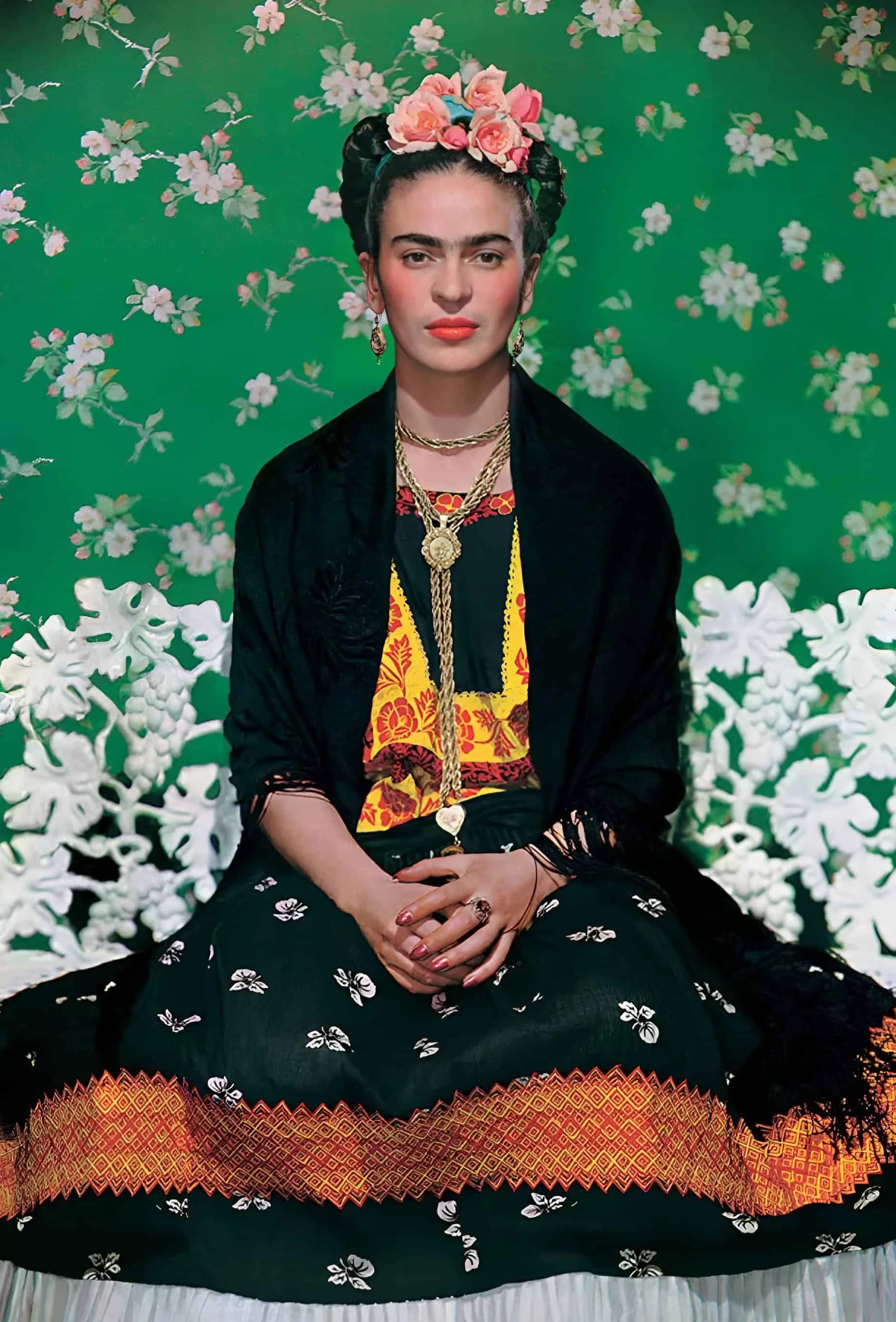
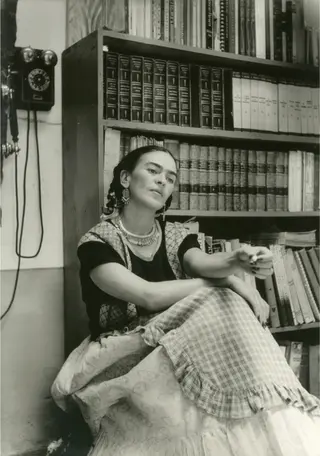
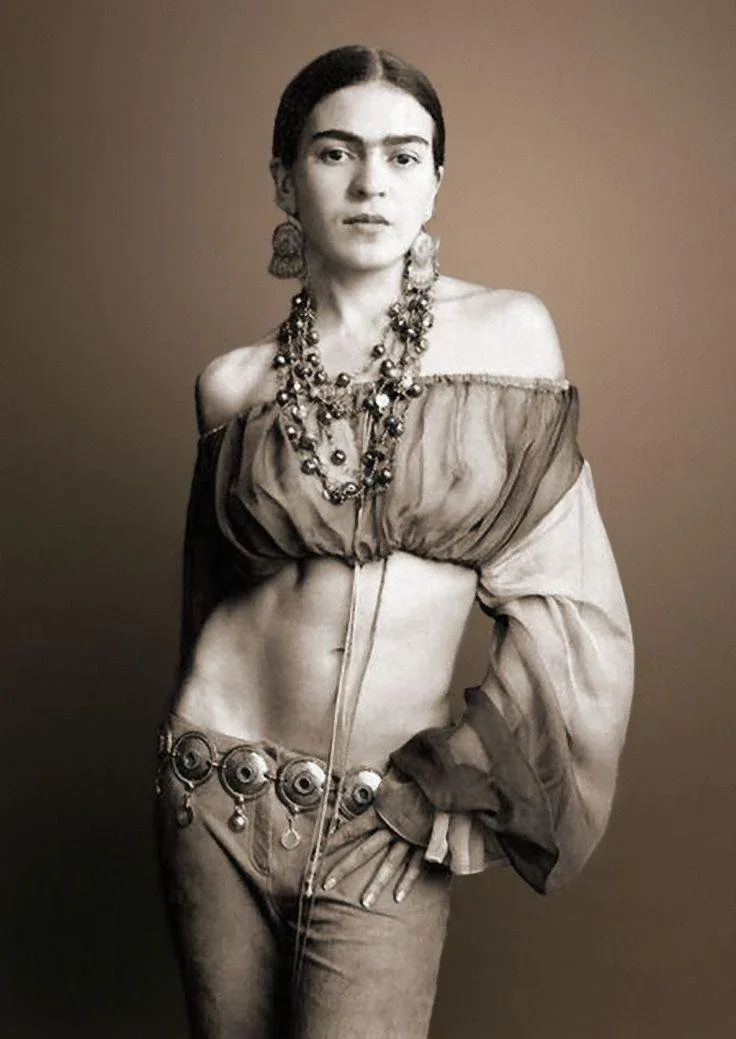
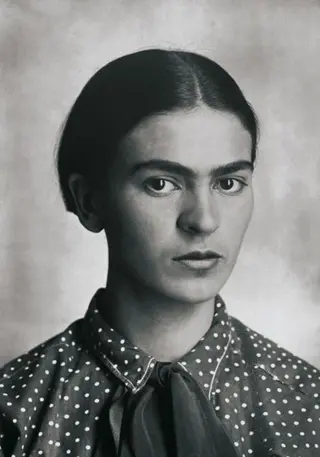
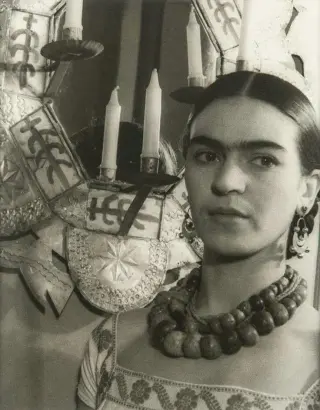
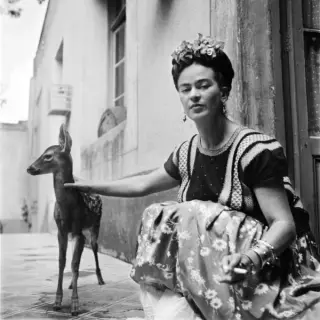
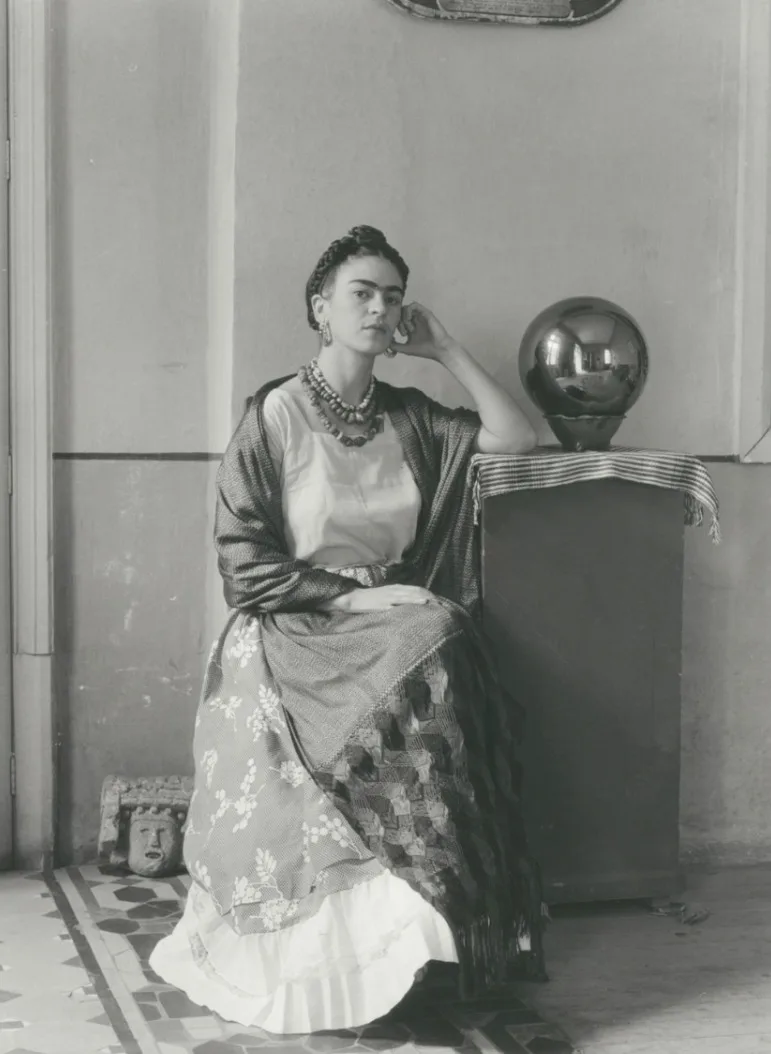
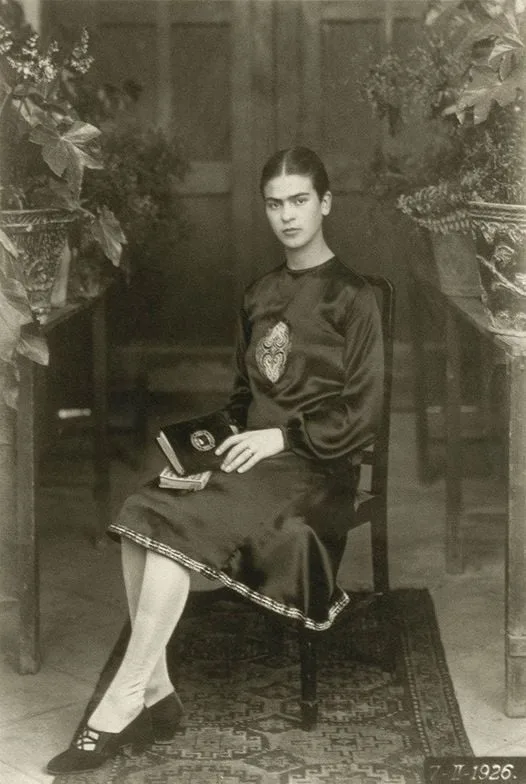
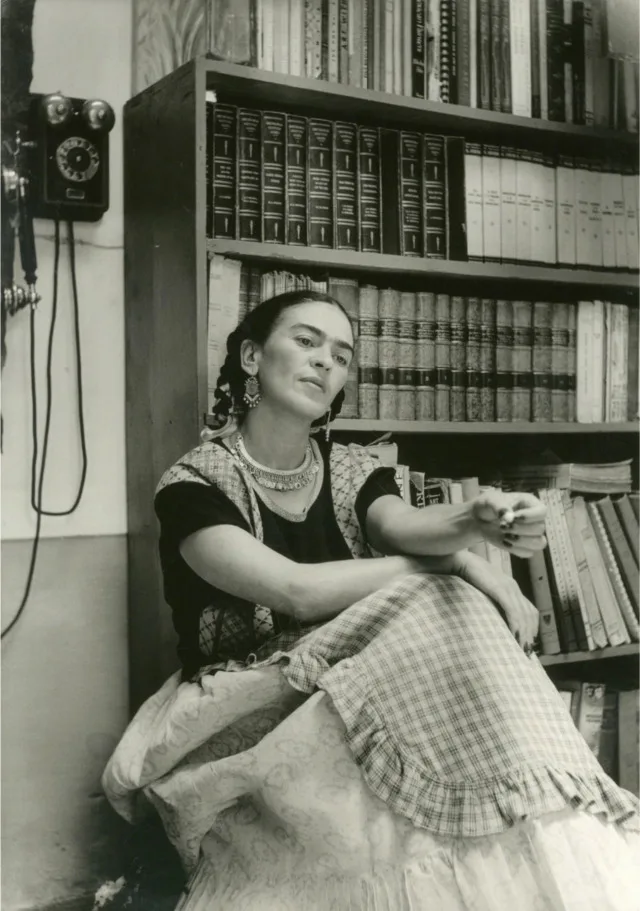
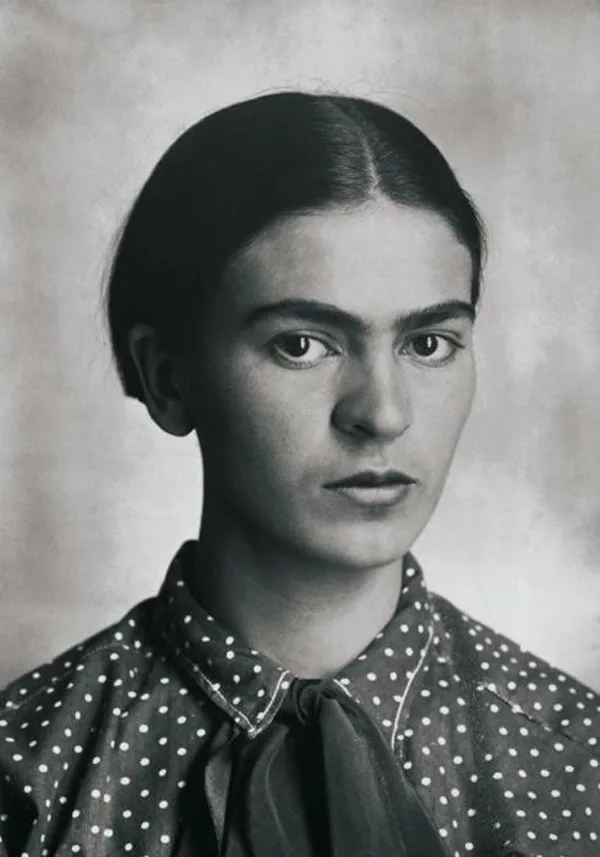
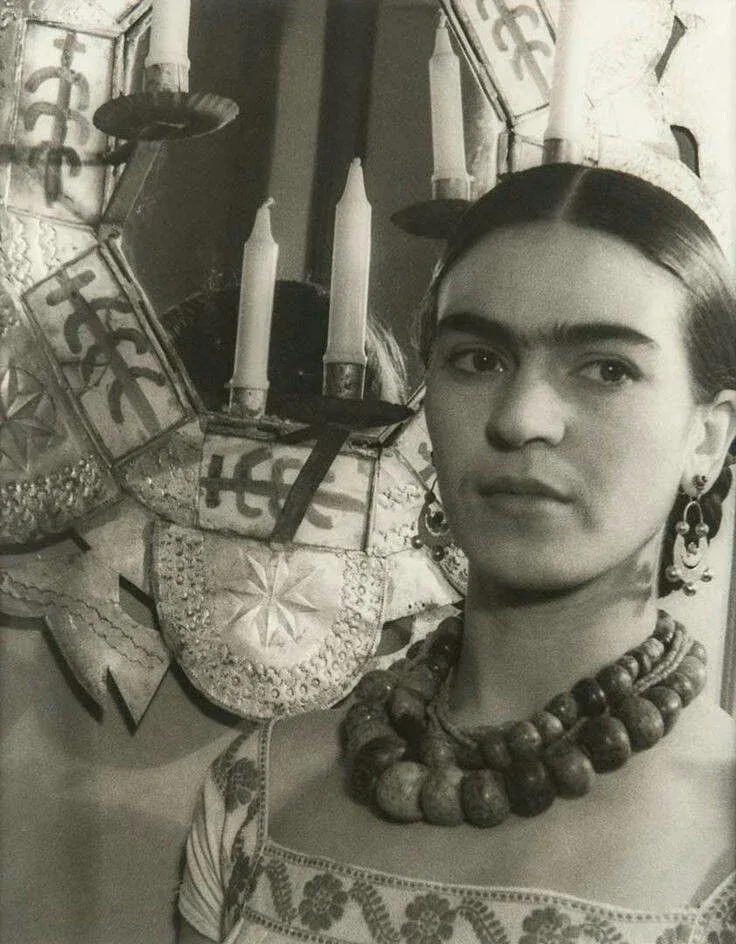
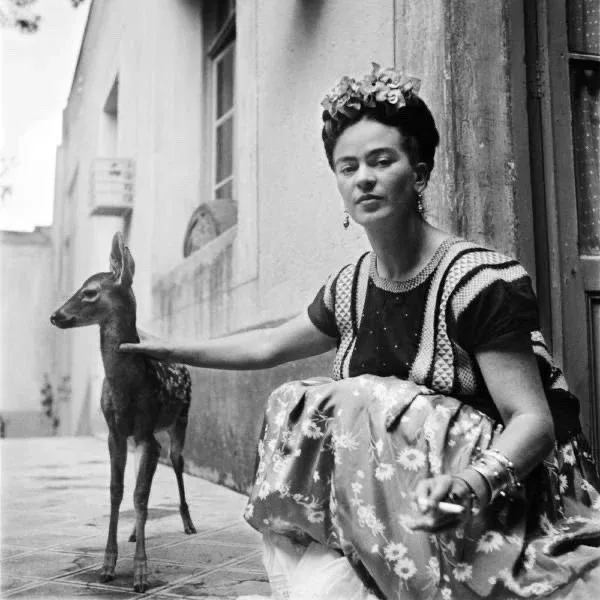
Brown hair and brown eyes framed Frida Kahlo's face, a Mexican artist who became one of the most celebrated painters of the 20th century. Born in Coyoacán, Mexico City, in 1907, she spent most of her life at La Casa Azul, her family home, now the Frida Kahlo Museum. Her work, often self-portraits, drew from Mexican folk culture and explored identity, pain, and politics.
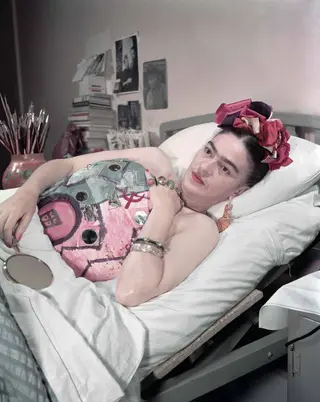
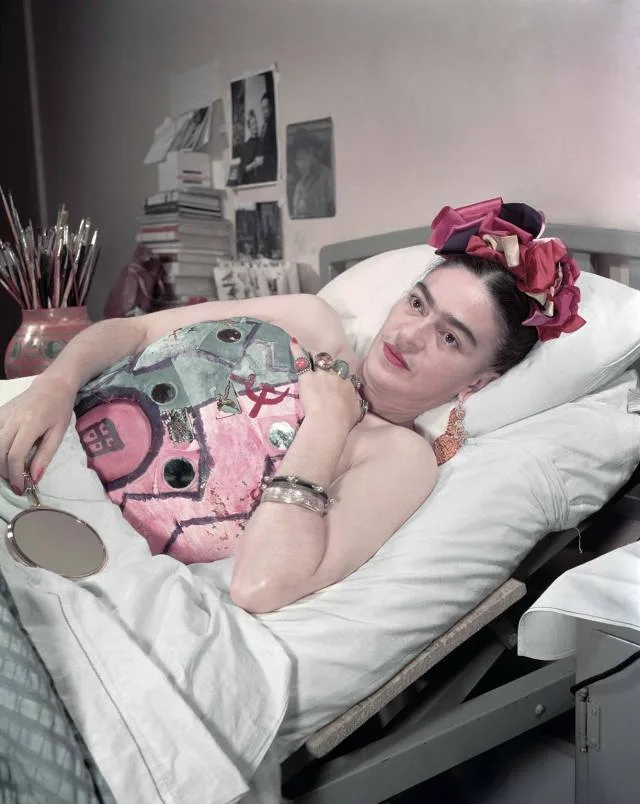
Kahlo's path to art was shaped by adversity. Polio disabled her as a child, and at 18 a bus accident left her with lifelong pain and medical problems. During her recovery, she began painting, using a special easel and a mirror to see herself. She later said, "I paint myself because I am often alone and I am the subject I know best." Her early work was influenced by European masters and avant-garde movements, but after moving to Cuernavaca with her husband, fellow artist Diego Rivera, she embraced Mexican folk art and the retablo style.
Kahlo's marriage to Rivera in 1929 was central to her life, though they divorced and remarried. Their travels in Mexico and the United States exposed her to new influences. She had her first solo exhibition in New York in 1938, arranged by André Breton, who called her work "a ribbon around a bomb." The show was a success, and a subsequent Paris exhibition led the Louvre to purchase her painting The Frame, making her the first Mexican artist in their collection. Despite health decline in the 1940s, she taught at La Esmeralda and founded the Seminario de Cultura Mexicana.
Kahlo identified as bisexual, and her art has been embraced by the LGBTQ+ community, feminists, and Chicanos. She was a member of the Mexican Communist Party. Her paintings often mixed realism with fantasy, depicting her chronic pain and political convictions. Works like Broken Column and The Two Fridas reflect her physical and emotional struggles. Her last major solo exhibition in Mexico was in 1953, where she arrived by ambulance and was carried to her bed, which had been moved to the gallery. She died in 1954 at age 47. After decades of relative obscurity, her work was rediscovered in the 1970s, and she became an icon for Mexican and Indigenous traditions.
Record
Profile details
Frequently asked
How did Frida Kahlo's health affect her painting career?
A bus accident at age 18 caused lifelong pain and medical problems. During her recovery, she started painting in bed with a special easel, and her later works often reflected her physical suffering, such as Broken Column and The Two Fridas.
How did Frida Kahlo's work become associated with surrealism?
André Breton, a French surrealist, was impressed by her paintings in 1938 and claimed her as a surrealist, despite her later negative view of the movement. This led to exhibitions in New York and Paris.
What was Frida Kahlo's role in Mexican politics?
She joined the Mexican Communist Party in 1927, and her political interests influenced her art, including her last paintings like Marxism Will Give Health to the Sick.
Why is La Casa Azul significant?
It was her family home in Coyoacán where she spent most of her childhood and adult life. It is now the Frida Kahlo Museum, accessible to the public.
Did you know
- At her 1953 solo exhibition in Mexico, she was carried to her bed, which had been moved from her home to the gallery.
- She was the first Mexican artist to have a painting purchased by the Louvre, for The Frame in 1939.
- A 5000-peso prize for her painting Moses in 1946 improved her financial situation.
- Her painting The Two Fridas was purchased by the Museo de Arte Moderno in 1947.
More Mexican Artist profiles






Help improve this profile
Spot something wrong or missing? Fix a detail, add a link, or share a fact. Every submission is reviewed before it goes live.
Are you Frida Kahlo?