 All The Babes
Billie Carleton
- Born
- Sep 4, 1896
- nationality
- English
Biography
About Billie Carleton
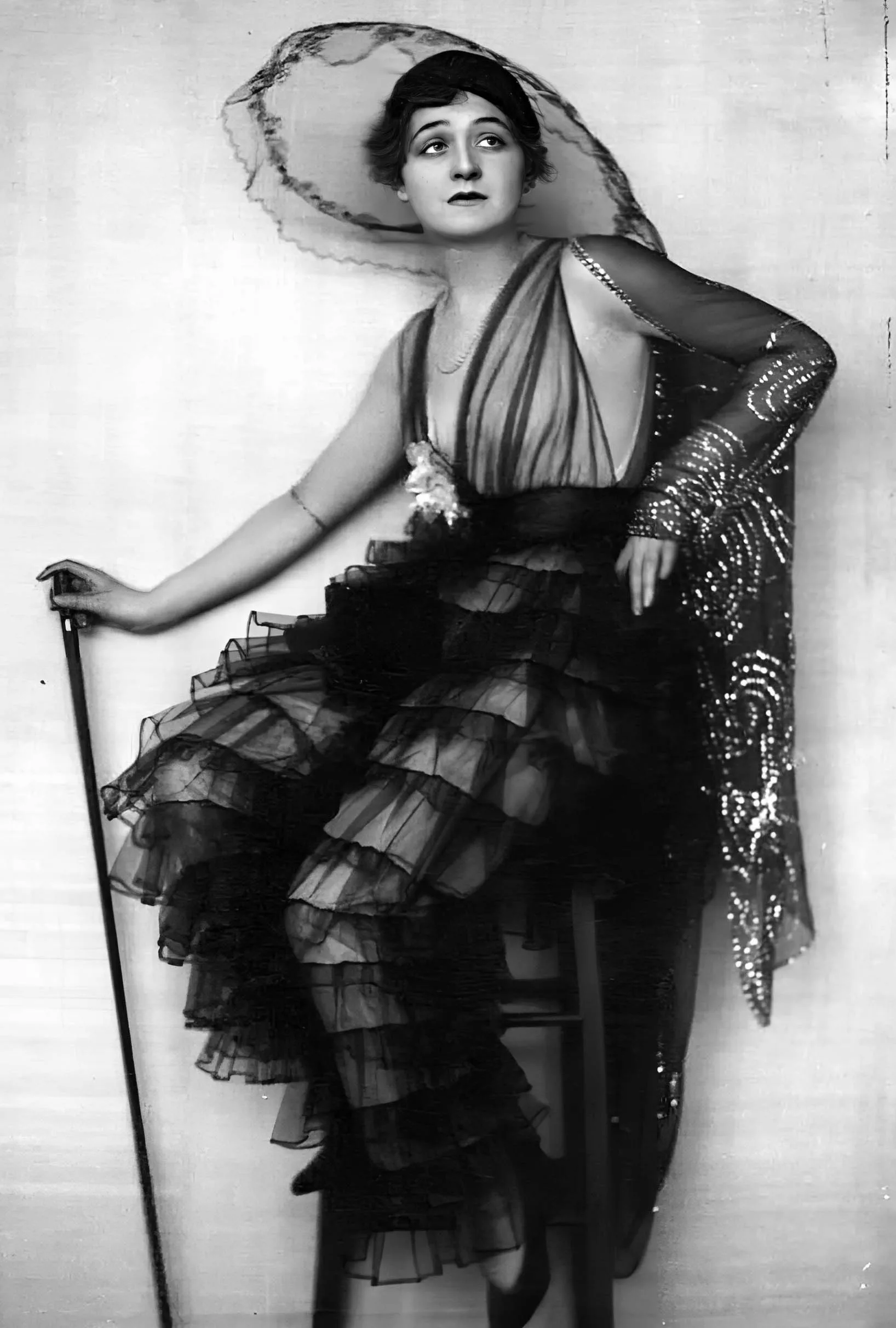
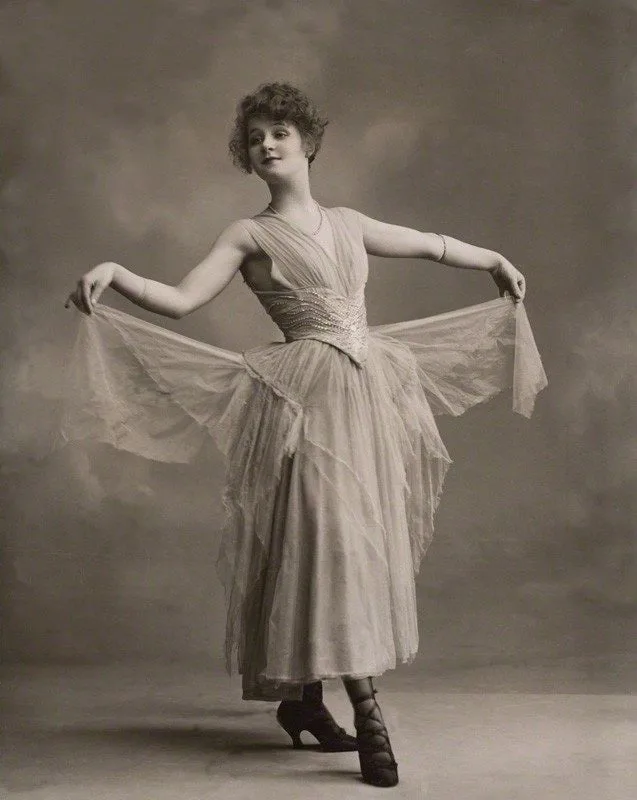
Billie Carleton, born Florence Leonora Stewart in Bloomsbury, London, was an English actress, comedian, and musician who rose to prominence on the London stage during the First World War. She was born on 4 September 1896 and died on 28 November 1918, just three months after her twenty-second birthday. Her early life was shaped by her mother, Margaret Stewart, a chorus singer, and her father, who was unknown. Raised by her aunt, Catherine Joliffe, Carleton left home at fifteen to pursue a career on the stage.
Her first breakthrough came when impresario C.B. Cochran promoted her from the chorus to a role in his 1914 revue Watch Your Step. Although her voice was weak, her stage presence and delicate beauty charmed audiences. Cochran later fired her when he learned she was attending opium parties, but he gave her another chance in 1917, when she took over the leading role from Gertie Millar in Houp La! Despite little impression in that part, she went on to appear in André Charlot's revue Some More Samples! and then landed the role of Joy Chatterton, a flapper, in the hit musical farce The Boy at the Adelphi Theatre in August 1917. In May 1918, she played a maid in Fair and Warmer, and by August she had taken the starring role in The Freedom of the Seas at the Haymarket Theatre. This made her the youngest leading lady in the West End at the time.
On 27 November 1918, Carleton attended the Victory Ball at the Royal Albert Hall, wearing a daringly diaphanous outfit designed by her friend Reggie de Veulle. The next day, she was found dead in her Savoy Hotel suite. A coroner's inquest ruled that she died of a cocaine overdose, and de Veulle was charged with manslaughter and conspiracy to supply a prohibited drug. He was acquitted of the first charge but pleaded guilty to the second and was sentenced to eight months in prison. Ada Song Ping You, who had supplied opium to Carleton, was sentenced to five months with hard labour. Some later analysis suggested that Carleton may have died from legal depressants rather than cocaine. Despite the scandal that surrounded her private life, she was largely seen as an innocent victim. Her death, along with the trial that followed, contributed to the passing of laws that made possession of cocaine and opium illegal for the first time in Britain.
Record
Profile details
Personal
- Died
- Thursday 28th of November 1918 (age 22)
- Birthplace
- Bloomsbury, Greater London, England, United Kingdom
- Ethnicity
- Caucasian
- Sexuality
- Straight
Body
- Hair Color
- Brown
- Eye Color
- Brown
- Boobs
- Real/Natural
Frequently asked
What was Billie Carleton's real name?
Billie Carleton was born Florence Leonora Stewart in Bloomsbury, London. She changed her name to Billie Carleton when she began her stage career.
Which theatre impresario gave Carleton her first break?
C.B. Cochran promoted Carleton from the chorus to a role in his 1914 revue Watch Your Step. He later fired her for attending opium parties but gave her another chance in 1917.
How did Billie Carleton die?
Carleton was found dead in her Savoy Hotel suite on 28 November 1918, after attending the Victory Ball the previous night. A coroner's inquest concluded she died of a cocaine overdose. However, author Marek Kohn later argued that she may have died from legal depressants taken to deal with a cocaine hangover.
What was the outcome of the trial following Carleton's death?
Reginald de Veulle was charged with manslaughter and conspiracy to supply a prohibited drug. He was acquitted of manslaughter but pleaded guilty to the second charge and was sentenced to eight months in prison. Ada Song Ping You was sentenced to five months with hard labour for preparing and supplying opium to Carleton.
Did you know
- Carleton was a talented musician as well as an actress and comedian, though specifics of her musical training are not given.
- She was the kept mistress of a man twenty years her senior, which became public knowledge during the trial following her death.
- The Victory Ball she attended on the night before her death was held to commemorate the end of the war and lasted into the small hours.
- Her death led to changes in British law, making possession of cocaine and opium illegal for the first time.
More English Actress profiles






Help improve this profile
Spot something wrong or missing? Fix a detail, add a link, or share a fact. Every submission is reviewed before it goes live.
Are you Billie Carleton?