 All The Babes
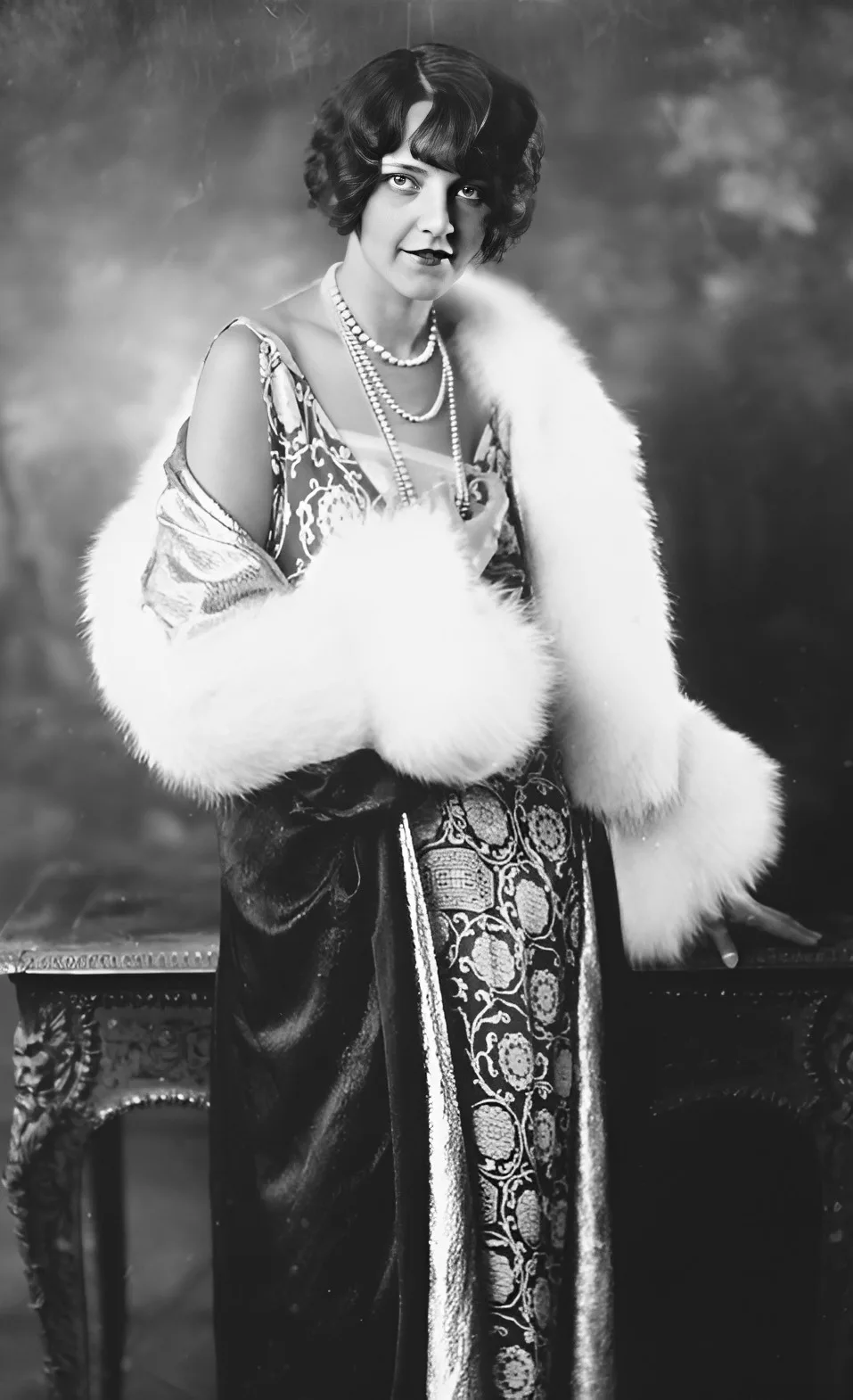
Betty Balfour
Also known as Britain's Queen of Happiness, British Mary Pickford, Florence Lilian Woods
- Born
- Mar 27, 1902
- nationality
- English
Career
Active 1920 – 1945
Biography
About Betty Balfour
English actress Betty Balfour was born on Thursday 27th of March 1902 in the United Kingdom. She was the most popular actress in Britain in the 1920s, and in 1927 the Daily Mirror named her the country's favourite world star. Her talent was most evident in the Squibs comedy series produced by George Pearson. In Love, Life and Laughter (1923), rediscovered in 2014, and Reveille (1924), she showed a serious side. Her role as a wealthy heiress in Somebody's Darling (1925) was an attempt to break away from Squibs and avoid typecasting.
She made her stage debut in 1913. In 1916 she starred in Fred Karno's all-female revue, All Women, notable for its all-female cast, including stage manager, musical director, and advance agent. While appearing in Medora at the Alhambra Theatre, T. A. Welsh and Pearson signed her for Nothing Else Matters in 1920. After replacing Gertrude Lawrence in The Midnight Follies on stage, she got her first starring role in Mary Find the Gold. Balfour never tried to break into Hollywood but, like Ivor Novello, took her talents to mainland Europe. She starred in German films such as Die sieben Töchter der Frau Gyurkovics and Die Regimentstochter. She also worked with Marcel L'Herbier on Le Diable au cœur, Louis Mercanton on Croquette and La Petite Bonne du palace, and Géza von Bolváry on Bright Eyes. Back in Britain, she starred in Alfred Hitchcock's Champagne (1928). Her sound debut, Walter Summers' musical Raise the Roof, was released in February 1930 and became a sizable hit. Her second talkie, Mercanton's The Nipper, based on the Squibs character, was only moderately successful. She then didn't appear in a film for four years. In 1934 she played a supporting role to Jessie Matthews in Evergreen. She made a musical remake of Squibs, appeared with John Mills in Forever England (1935), and played the matriarch in 29 Acacia Avenue (1945). Her marriage to composer Jimmy Campbell ended in 1941 after ten years. A stage comeback attempt failed in 1952. She died at age 75 in Weybridge, Surrey, on Friday 4th of November 1977.
Record
Profile details
Personal
- Died
- Friday 4th of November 1977 (age 75)
- Years Active
- 1920-1945 (started around 18 years old; 25 years active)
- Birthplace
- British Mary Pickford, United Kingdom
- Ethnicity
- Caucasian
- Sexuality
- Straight
Frequently asked
Why did she take roles in German and French films?
Balfour made no attempt to break into Hollywood but, like Ivor Novello, she exported her talents to mainland Europe, starring in German films and working with French directors such as Marcel L'Herbier and Louis Mercanton.
How did she avoid typecasting after Squibs?
She took the role of a wealthy heiress in Somebody's Darling (1925) specifically to break out of her Squibs image and avoid typecasting.
What was notable about the 1916 revue All Women?
It was an all-female revue by Fred Karno, notable because every role, including stage manager, musical director, and advance agent, was played by women.
Why was there a four-year gap in her film career?
After The Nipper (1930) was only moderately successful, she didn't appear in a film for four years until she played a supporting role in Evergreen (1934).
Did you know
- Despite being the most popular actress in Britain in the 1920s, she never attempted to work in Hollywood, unlike many contemporaries.
- Her sound debut, Raise the Roof, was released in February 1930; her second talkie, The Nipper, came out in August of the same year.
- She replaced Gertrude Lawrence on stage in The Midnight Follies before her first starring film role.
- Her marriage to composer Jimmy Campbell lasted ten years before ending in 1941.
More English Actress profiles






Help improve this profile
Spot something wrong or missing? Fix a detail, add a link, or share a fact. Every submission is reviewed before it goes live.
Are you Betty Balfour?